Articles Posted in PFAS

Posted

On August 18, 2026, a unanimous panel of the U.S. Court of Appeals for the D.C. Circuit upheld EPA’s designation of perfluorooctanoic acid (PFOA) and perfluorooctanesulfonic acid (PFOS) as hazardous substances under the Comprehensive Environmental Response, Compensation, and Liability Act (CERCLA or Superfund). In Chamber of Commerce of the United States v. EPA, the court rejected challenges to EPA’s interpretation of CERCLA Section 102(a), the adequacy of its notice and comment process, its analysis of costs and benefits, and its decision to proceed despite uncertainty about future response actions and costs.

Continue Reading ›

Posted

On August 18, 2026, a unanimous panel of the U.S. Court of Appeals for the D.C. Circuit upheld the 2024 designation by the U.S. Environmental Protection Agency (EPA) of perfluorooctanoic acid (PFOA) and perfluorooctanesulfonic acid (PFOS) as hazardous substances under the Comprehensive Environmental Response, Compensation, and Liability Act (CERCLA or Superfund). (See Chamber of Commerce of the United States of America, et al. v. EPA, No. 24-1193 (D.C. Cir. Aug. 18, 2026).)

Continue Reading ›

Posted

Data centers use various chemicals that have recently been the focus of regulatory efforts at the federal and state level. The historic or future use of these chemicals may create liabilities, obligations, or new costs for both existing and planned data centers.

Continue Reading ›

Posted

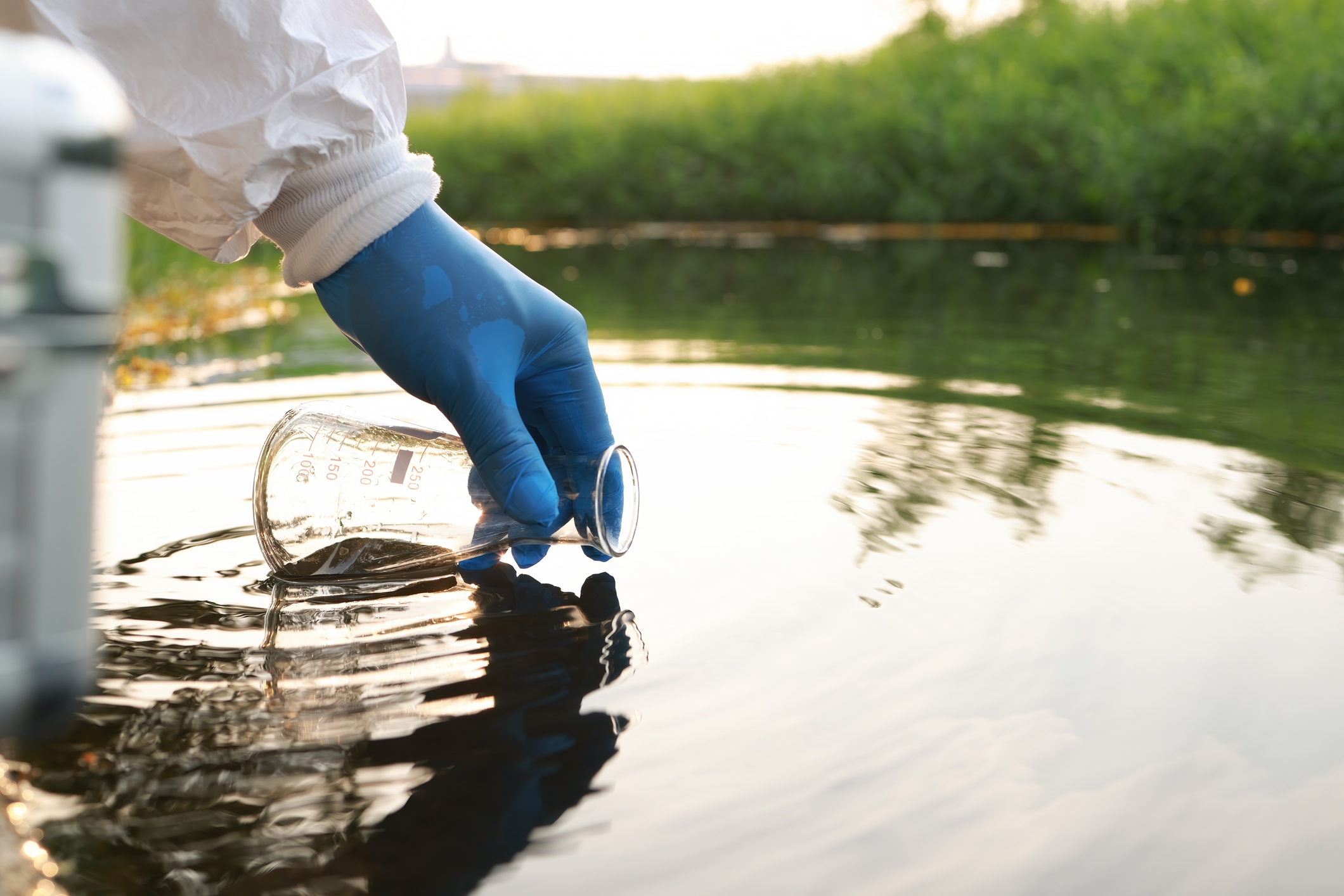
PFAS-cleaning-1390096829-300x200From a stream of legal challenges, to ever-expanding regulations on things like cosmetics and drinking water, PFAS are the “forever chemicals” keeping companies and consumers on high alert. While industries scramble to remove the synthetic compounds from products, scientists are researching new techniques for scrubbing PFAS from the environment. There is money to be had for those who can find a more streamlined method of purging the substances—the U.S. Army Corps of Engineers has an $800 million contract on the table for the handling, destruction and replacement of PFAS-laden fire-fighting foam—leaving technology companies racing to create solutions. The three main PFAS cleaning techniques currently relied upon can be very effective but are also costly and may leave questionable byproducts in their wake.

Continue Reading ›