 Gravel2Gavel Construction & Real Estate Law Blog



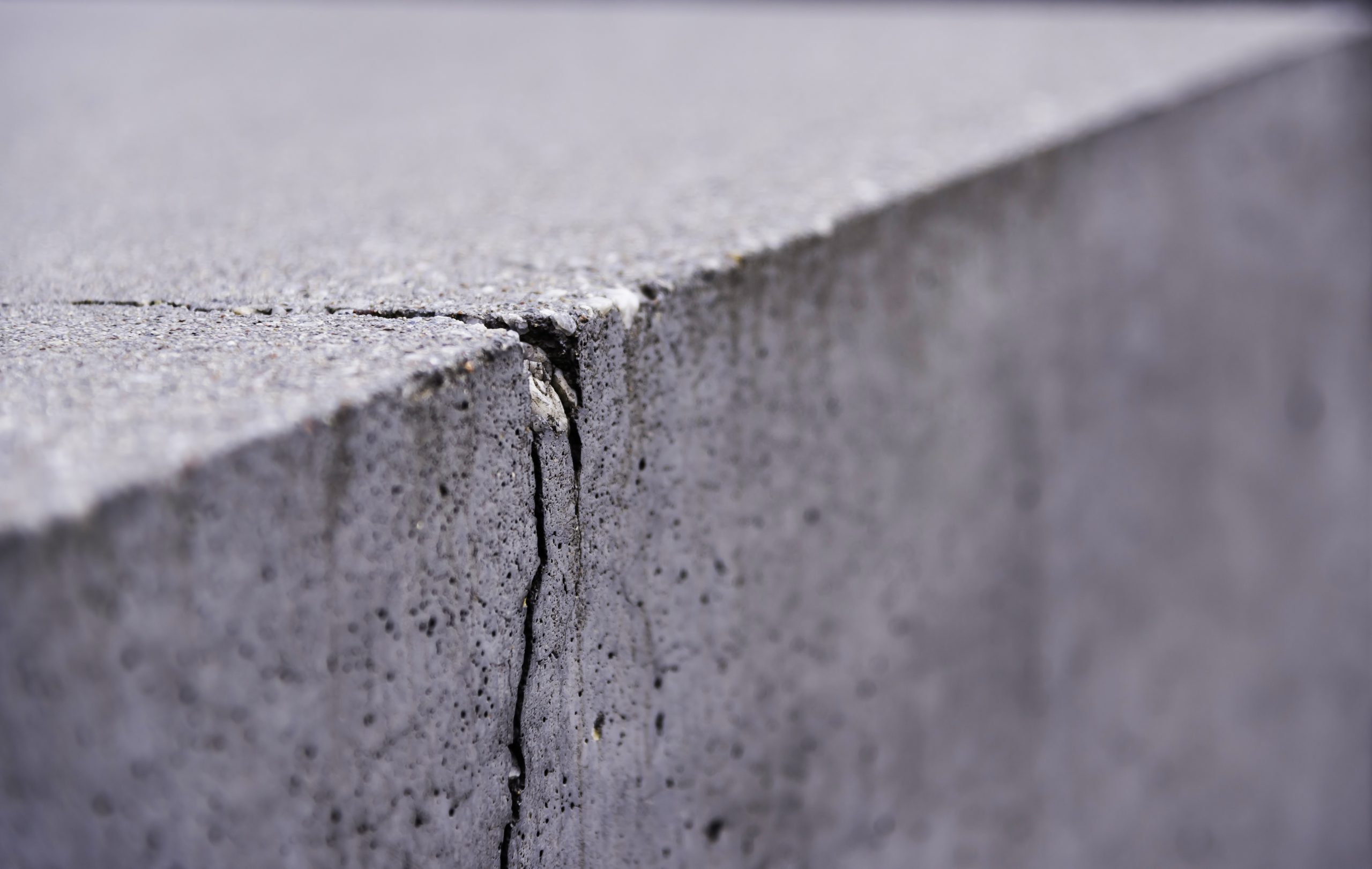 A single hairline crack in a bridge deck can seem insignificant. But left undetected, minor cracks and fissures expand, water seeps in, steel corrodes and repair costs start to increase. This risk multiplies across thousands of miles of aging highways and bridges nationwide.
As infrastructure endures increasing strain from heavier traffic, extreme weather and deferred maintenance, engineers are exploring “self-healing” systems, where streets and bridges are built with materials that can repair themselves. Concrete, asphalt and composites capable of detecting and mending microcracks autonomously are moving from laboratory research to pilot projects. But while emerging technology promises longer-lasting infrastructure, it also raises questions about long-term maintenance, performance guarantees, procurement frameworks and risk allocation.
The Current Infrastructure Challenge
America’s infrastructure is aging under intensifying demands. Roads and bridges face increased exposure from extreme weather, corrosion and load stress. Deferred maintenance and funding constraints only add to the challenge. Nationwide, 49.1% of bridges are rated “fair,” while 6.8% ae classified as “poor.” And 39% of major roads are in poor or mediocre condition.
The collapse of the Francis Scott Key Bridge in 2024 was a stark reminder of how quickly a single failure can disrupt commerce and communities. While the incident involved a vessel strike rather than material fatigue, it underscored the broader vulnerability of critical infrastructure and the economic impacts that follow.
Across the country, small but persistent stresses reflect the same underlying issues. In Texas, local bridges such as the FM 787 Bridge and the Trulia Bridge have faced structural concerns that required disruptive closures or repairs. In California, the American Society of Civil Engineers has given state roads a “D” rating, citing years of underinvestment and heavy usage. Overseas, London’s iconic Hammersmith Bridge has struggled with repeated closures due to structural cracking, illustrating the fragility of historic infrastructure under modern demands.
In each case, deterioration often begins invisibly. Microcracks form long before they can be detected by inspectors. Moisture infiltrates, freeze and thaw cycles expand gaps and reinforcement corrodes. By the time damage is obvious, repair costs have escalated and public disruption has already begun.
What “Self-Healing” Means in Practice
“Self-healing” materials are engineered to intercept and redirect that cycle of deterioration. Specifically, these materials contain compounds and other substances that allow the materials to repair damage and wear and tear as it occurs, without the need for human intervention or inspection entirely (or, in some cases, with only limited human involvement). Imagine, for instance, a bridge deck that automatically seals minor cracks after heavy rain, or a highway surface that can periodically “recharge” with applied targeted heating to retore structural integrity. With conventional materials, normal wear and tear on the bridge deck or asphalt surface often opens the door to more significant long-term damage from water infiltration, temperature fluctuations or other stresses. On the other hand, if these features can be built using self-healing materials, they could repair themselves early enough to prevent the longer-term damage from arising in the first place. These materials present meaningful opportunities to improve safety and longevity of built infrastructure, reduce operating and maintenance costs, and relieve the maintenance and infrastructure upgrade backlogs plaguing many state and local governments. As futuristic as such “self-healing” infrastructure may sound, humans have been using building materials that repair themselves for centuries. The ancient Romans developed a concrete manufacturing process, using a particular volcanic ash and a unique “hot mixing” process, that produced a concrete with integrated reserves of calcium. As cracks form, the calcium and other substances expanded into the cracks and hardened. This unique chemistry, likely no mere happy accident, may be part of why ancient Roman structures like the Pantheon, completed around 128 C.E., have remained standing for nearly 2,000 years.
Looking toward the future, researchers and public agencies are testing materials that respond to stress by repairing damage before it spreads. Some forms of self-healing concrete use embedded microcapsules filled with binding agents that release when cracks form. Others incorporate bacteria that activate when exposed to moisture, producing limestone to seal gaps. Michigan State University civil engineers have developed a flexible, self-healing concreate that is also self-heating, offering the potential to simplify winter road clearing in cold environments and reduce infrastructure and environmental stress caused by routine use of heavy snowplows, snowblowers, de-icing compounds and gravels. Concrete is not the only self-healing material being evaluated. Various types of self-healing asphalt are being developed, in which steel fibers or conductive materials allow cracks to close through induction heating, extending the lifespan of a roadway without full reconstruction. Researchers are also exploring the use of microcapsule treatments for wood surfaces that could extend the life of wood products by limiting moisture infiltration and surface movement while the wood is in-service.
The private sector is similarly pursuing the development of these kinds of materials and technologies. Munich-based Wacker Chemie AG produces additives and polymers that boost concrete durability; GCP Applied Technologies Inc. provides specialty construction materials for longer-lasting, sustainable structures; and Xypex Chemical Corporation uses crystalline technology to continuously seal cracks, preventing leaks in infrastructure, water treatment plants and high-rise buildings.
Drawbacks and Challenges
As with many emerging technologies, the transition from the laboratory to the field is not automatic, and many hurdles remain before self-healing infrastructure can be deployed at-scale.
First, the technologies themselves are still maturing. Much research into these materials remains at an experimental stage—both hypothesizing the kinds of technologies that might create self-healing materials and testing those hypotheses in controlled environments. Even where initial research suggests that a material has self-healing capabilities, laboratory success does not always translate to consistent performance in the real world, where things like climate and traffic volumes can vary widely. How will these materials perform under extreme heat, severe cold or prolonged flooding? What specialized maintenance will they require? Public and private stakeholders must align on standards, risk allocation and investment priorities before large-scale deployment becomes feasible. Long-term data is essential to validate reliability.
Integration also presents challenges. Much of the existing infrastructure is decades old, and retrofitting existing structures with self-healing systems can be technically complex and expensive. It may be possible to deploy self-healing technologies on new infrastructure projects, but existing and aging infrastructure will still require maintenance, monitoring and replacements.
Third, upfront costs can be higher than those associated with conventional materials. Although lifecycle savings may offset those costs, budget-constrained jurisdictions may hesitate to invest without clear measurable returns. And because the deployment of these technologies is likely to occur gradually, and the service life of most major infrastructure projects can extend for decades, any long-term cost savings will likely be realized very slowly, presenting both an economic and political challenge for agencies with near-term infrastructure needs. If these factors lead well-resources communities to adopt these technologies faster than under-resourced areas, existing resource and wellness gaps between such communities could widen.
The Road Ahead
The global self-healing materials market is expanding rapidly and is set for considerable growth. With a substantial increase from USD 14.74 billion in 2025, to USD 23.91 billion in 2026, it is further projected to surge to USD 1,153 billion by 2034.
The potential benefits of this technology are significant. Preventative maintenance can improve safety, smooth commutes and reduce emergency repairs. Extending material life lowers long-term costs and reduces the carbon footprint associated with construction, maintenance, demolition and reconstruction. When infrastructure lasts longer, budgets stretch further.
Self-healing infrastructure becomes far more powerful when integrated into a smart city ecosystem. In a smart city, infrastructure isn’t just physical, it’s connected, monitored and responsive. Sensors embedded in roads, bridges and buildings feed real-time data into centralized systems. When paired with self-healing materials, that data doesn’t just flag problems, it can trigger or optimize repair processes automatically.
Self-healing infrastructure is not a silver bullet, however. It will not eliminate structural failures or replace the need for thoughtful design, inspection and maintenance. But it could represent a meaningful shift from reactivity to proactivity. If successfully implemented, self-healing streets and bridges could slow infrastructure deterioration, reduce long-term costs and enhance public safety.