Articles Posted in Environmental

Posted

Our latest Environmental Case Law Update highlights a number of significant environmental and administrative law decisions reported in the period of April-September 2106. We hope you find this information to be useful and informative.fall

Photo:  Ian Sane, Silver Creek, Taken November 3, 2012 – Creative Commons

Posted

A few weeks ago, we noted that the U.S. District Court for the District of Columbia, in a decision reported on September 9, 2016, denied a motion for a preliminary injunction filed by the Standing Rock Sioux Reservation against the construction of the Dakota Access Pipeline through the lands of the Tribe. That case is Standing Rock Sioux Tribe, et al., v. U.S. Army Corps of Engineers, et al. The Tribe alleged that the Corps of Engineers, in its review of the permitting requirements triggered by the project, had failed to engage in the consultative process requirements of Section 106 of the National Historic Preservation Act (NHPA), but that District Court denied relief, holding that the Tribe largely refused to engage in such consultation. On September 9, 2016, the Tribe filed an emergency appeal with the U.S. Court of Appeals for the District of Columbia, and the DC Circuit responded by issuing an order to the pipeline to freeze work on the pipeline within 20 miles of Lake Oahe. This narrow work freeze, described as an administrative injunction, was intended to give the Court of Appeals sufficient opportunity to considered the Tribe’s motion for an injunction pending appeal.

Continue Reading ›

Posted

In a decision released on October 6, 2016, the Court of Appeals for  the First District of Texas, sitting in Houston, unanimously affirmed the jury’s verdict that International Paper Company (IP) was not liable for large civil penalties as a result of the discharge of dioxin-contaminated paper mill waste into the San Jacinto River. The case is Harris County and Texas Commission on Environmental Quality v. International Paper Company. This is an important case with respect to the application of the Texas Solid Waste Disposal Act. Continue Reading ›

Posted

Recently, our colleague Norman Carlin published his client alert California Supreme Court Sets New Deferential Standard for Supplemental CEQA Review. The Alert discusses the California Supreme Court’s rejection of the “new project” test for determining whether a changed project remains similar enough to the original project for supplemental California Environmental Quality Act (CEQA) review to be appropriate. The Alert discusses the Court’s creation of a different threshold inquiry for lead agencies under such circumstances. The case is Friends of the College of San Mateo Gardens v. San Mateo Community College District.

Posted

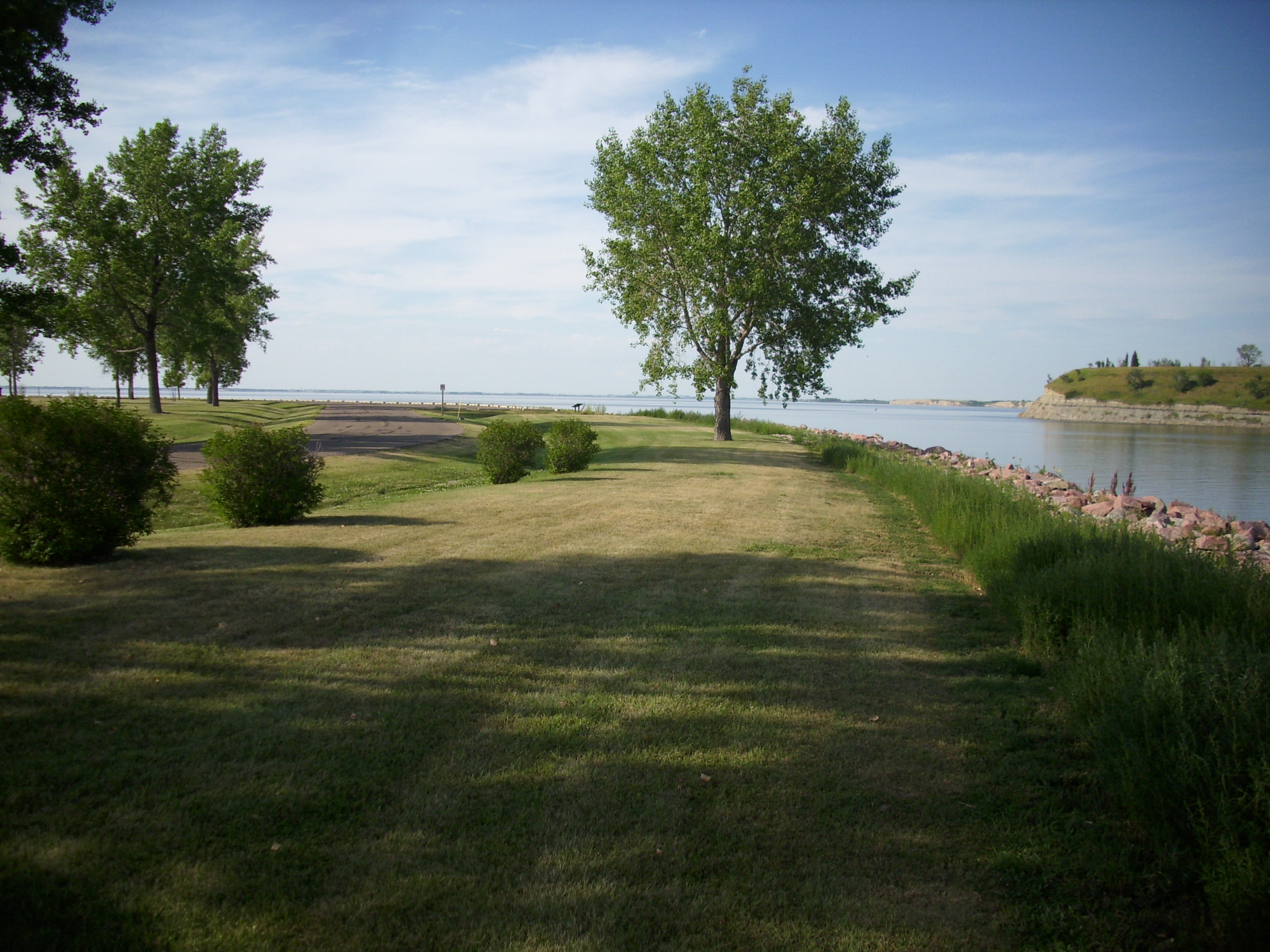
On September 13, the U.S. District Court for the District of North Dakota granted a Motion for a Temporary LakeSAkakawea-300x225Restraining Order in the matter of Paradigm Energy Partners, LLC v. Fox, et al., prohibiting the defendants from interfering with the Paradigm’s construction of two pipelines (an oil and a natural gas pipeline) in McKenzie and Mountrail Counties, North Dakota.

Continue Reading ›

Posted

On September 9, the U.S. District Court for the District of Columbia denied a motion for a Preliminary Injunction against the U.S. Army Corps of Engineers to stop the construction of the Dakota Access Pipeline, a pipeline that will run within one-half mile of the Standing Rock Sioux Reservation, located in North and South Dakota. The case is Standing Rock Sioux Tribe, et al., v. U.S. Army Corps of Engineers, et al., and an emergency appeal has been filed with the U.S. Court of Appeals for the District of Columbia Circuit. The Plaintiffs allege that the Corps failed to engage in substantive consultations with the Tribe as required by the National Historic Preservation Act (NHPA). However, the District Court, in a long and comprehensive opinion, held that the Corps “has likely complied with the NHPA” and that the Tribe has not demonstrated that a preliminary injunction is warranted. Continue Reading ›

Posted

In the case of National Resources Defense Council , et al. , v. Illinois Power Resources, LLC and Illinois Power Resources Generating, LLC, decided August 23, 2016, the United States District Court for the Central of District of Illinois held that the defendants, who operate a coal-fired power plant in Bartonville, Illinois, failed to establish that they were entitled to various regulatory and statutory defenses in this Clean Air Act (CAA) citizen suit. The District Court found that the plaintiff environmental organizations had standing to file this lawsuit, observing that even an “identifiable trifle” can establish an injury-in fact.

Continue Reading ›

Posted

Lockheed Martin Corporation, one of the largest defense contractors in the United States, operated three Californialockheed-300x200 facilities that manufactured solid-propellant rockets for the United States Department of Defense pursuant to contracts subject to the Federal Acquisition Regulations. Substantial quantities of hazardous substances were released by the facilities over the years which resulted in extensive environmental contamination, especially groundwater pollution. In 2008, Lockheed filed a CERCLA Section 107 cost recovery lawsuit against the United States, seeking the recovery of its past and future costs to remediate these sites. The lawsuit was filed several years after the company began remediation activities at these sites. Both Lockheed and the United States have conceded that they are potentially responsible parties at these sites. The United States in turn, filed a CERCLA contribution action against Lockheed, and this long and costly litigation resulted, which the U.S. Court of Appeals for the DC Circuit may have brought to an end. The case is Lockheed Martin Corporation v. U.S., decided August 19, 2016. Continue Reading ›

Posted

In Third Circuit defends challenge to its authority to rule in pipeline expansion project, I was provided with an opportunity to make the point that the states and the federal government are equal sovereigns under the Constitution, which often requires some careful balancing of interests.

Posted

In Center for Biological Diversity, et al., v. Bureau of Land Management, the U.S. Court of Appeals for the Ninth Circuit held that the Bureau of Land Management (BLM) did not violate the Endangered Species Act (ESA) when its analysis of plans to expand access for off-road vehicles in the Imperial Sand Dunes Special Recreation Area (located in California) did not include a Biological Opinion with an “Incidental Take Statement” for the species of plant known as the Peirson’s milkvetch that is categorized as a “threatened species” under the ESA. Construing Sections 7 and 9 of the ESA, the Ninth Circuit agreed with BLM’s argument that Incidental Take Statements are reserved solely for fish and wildlife, and not plant species. When these sections of the law are read together, the Ninth Circuit concluded the ESA prohibits the taking of fish and wildlife only; therefore, the law does not require that the Biological Opinion contain an Incidental Take Statement for endangered plants. The remaining challenges were analyzed by the Ninth Circuit under the “arbitrary and capricious” rubric of the Administrative Procedures Act (APA), and were similarly rejected.

Continue Reading ›