 Gravel2Gavel Construction & Real Estate Law Blog





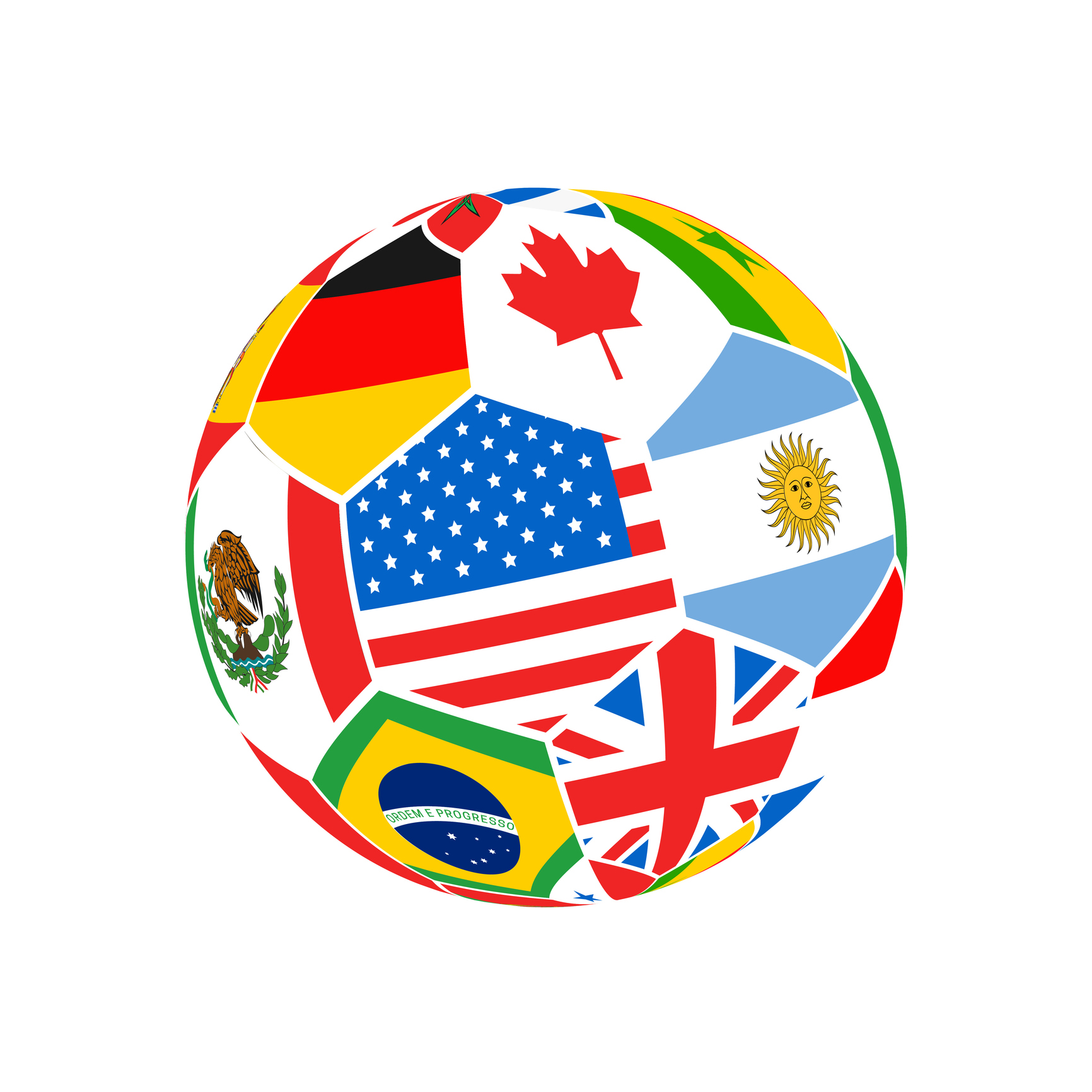 In February 2023, shortly after the conclusion of the 2022 Men’s FIFA World Cup, we looked ahead to 2026 and noted that the largest World Cup in history would be coming to North America, and with it, a fresh round of investment in host cities. Now, with kickoff of the 2026 FIFA World Cup less than a month away, that investment cycle is no longer hypothetical. The 48-team, 104-match tournament kicks off on June 11, 2026, in cities across North America. The U.S. is host to 78 out of 104 total matches, and throughout those host cities, both public agencies and private businesses have undertaken major projects to prepare for the impending influx of fans during the course of the tournament.
California
For Los Angeles and Santa Clara, California’s two host cities, the World Cup is just one of the mega-events they will each host over the next two years. Levi’s Stadium in Santa Clara, having hosted Super Bowl LX this past February, will become the first venue to host both the World Cup and the Super Bowl in the same year. Meanwhile, SoFi Stadium in Los Angeles, which hosted Super Bowl LVI in 2022, will host the World Cup in 2026, Super Bowl LXI in 2027, and the Summer Olympics in 2028. (The Intuit Dome in Los Angeles, completed in August 2024, also recently hosted the 2026 NBA All-Star Game, and will host basketball events during the 2028 Summer Olympics.)
But the World Cup is larger and more international than the Super Bowl, and so too will its impact on these two venues (and their cities). A Super Bowl is just one game, and its surrounding festivities typically take place over the course of a single week. The World Cup is a month-long tournament, with venues hosting multiple matches, and fan activities taking place throughout the 39 days of matches, as well as during pre- and post-tournament events. Initial estimates suggest that Super Bowl LX brought around 90,000 visitors to the Bay Area and $500 million in economic impact. By contrast, this summer, Levi’s Stadium is set to host six World Cup games, with current estimates of 260,000 visitors and $555 million in economic impact for the region. Similarly, Los Angeles is host to eight games, generating approximately $594 million in impact.
The upcoming matches have necessitated upgrades to the venues themselves to ensure they are prepared for both athletes and fans. Both stadiums typically have artificial turf playing surfaces, but per FIFA rules, those playing fields are being removed and replaced with natural grass for the World Cup, along with irrigation, lighting and drainage systems to keep the grass healthy. And because (American) football fields are narrower than what FIFA requires for international soccer games, some seating sections have been removed to accommodate the wider pitch. Overall, the estimated cost of these upgrades is $60 million for SoFi Stadium, including grass installation, seat removal, broadcast infrastructure and transportation logistics. Levi’s Stadium field construction work began in February at a cost of $25 million to make the stadium FIFA-compliant. This comes as part of the larger $200 million set of upgrades over the prior years in preparation for both the World Cup and Super Bowl.
As we anticipated in 2023, construction work has not been limited to the inside of the stadiums—the area surrounding Levi’s Stadium has been subject to development, as well. New apartments opened in 2025, bringing over 2,000 homes to the area. New retail space has also opened in the area, hosting new restaurants and coffee shops serving both the new residents and game day visitors. In LA, the area around SoFi Stadium, Hollywood Park, has also been undergoing a transformation in preparation for the World Cup and other upcoming mega-events. Hollywood Park is a new 300-acre mixed-use development that includes over 300 new homes and a concert venue, along with retail and office space. For the World Cup, the open plazas will be converted into a FIFA Fan Festival site expected to accommodate 40,000 fans on match days. A new hotel is planning to open in the space, which, though unlikely to open for the World Cup, will be part of Hollywood Park, an area likely to be well-used for both the upcoming 2027 Super Bowl and the 2028 Olympics.
Texas
The Lone Star State will host a total of 16 World Cup matches between Arlington (with matches at AT&T Stadium) and Houston (with matches at NRG Stadium), more than any other state. Like in California, these cities and the host venues have made many infrastructure improvements and upgrades in advance of the tournament.
Houston will host seven matches at NRG Stadium, with an estimated 500,000 visitors expected through the course of the tournament. Arlington will host nine games at AT&T Stadium, the most matches of any single host city, including a coveted semifinal match. The Dallas-Fort Worth Metroplex will also serve as the tournament’s operational center, with the Kay Bailey Hutchison Convention Center in downtown Dallas housing both the International Broadcast Center and Tournament Operations Center.
Economic projections for Texas are substantial. Houston projects $1.5 billion in economic impact from its seven matches. The Dallas-Fort Worth area is expected to see a total economic impact of between $1.5 billion and $2.1 billion from matches, ancillary events, broadcasters and training venues.
Both Texas stadiums are undergoing significant transformations, like the California stadiums. In October 2025, NRG Stadium unveiled a $55 million capital improvement plan addressing elevators, escalators, new endzone video boards, a fabric roof replacement and new seating. FIFA officials have reported that all this work is complete and the stadium is ready for the tournament—except for the grass. As with the two California stadiums, the normal artificial turf playing surface will be replaced with natural grass (but the replacement did not start until May, leaving a relatively tight timeline for crews to install the grass field and associated lighting and irrigation systems). AT&T Stadium has invested $300 million in upgrades, including field widening, and grass installation per FIFA requirements. The stadium will accommodate 80,000 spectators per match.
New projects have been completed (or are racing to be completed) in other parts of the two Texas host cities, as well. Houston’s East Downtown (EaDo) neighborhood has seen a $50 million transformation into a permanent entertainment hub, which will be anchored during the World Cup by a dedicated FIFA Fan Festival district where fans can watch every match, buy official merchandise, and sample foods and refreshments from around the world. The area will see permanent pedestrian-friendly infrastructure with a 14-mile Green Corridor connecting the stadium with the Fan Fest site and downtown Houston. Downtown Houston itself is also undergoing improvements, including extensive repaving of city streets, and the creation of the Main Street Promenade project, transforming seven blocks through the heart of downtown into a car-free corridor with light rail lines and pedestrian malls. These improvements will make getting to matches and official events easier for visitors staying downtown, where roughly $100 million has been invested in hotel expansions in downtown Houston, adding 553 new downtown rooms.
In Arlington, the Urban Union district of downtown has seen significant growth, featuring new restaurants and a boutique hotel, The Rambler Inn, positioning the city for the expected visitor surge. Fair Park in Dallas is being transformed for the FIFA Fan Festival, a celebration running for all 39 days of the World Cup that is expected to draw over 1 million visitors to its 1-million-square-foot activation space, with capacity for 35,000 attendees. The city has also approved new community park development at Fair Park as part of broader legacy investments. This transformation comes as part of Dallas’ larger plans to upgrade and increase use of the park after taking back control in September 2026.
To Kick Off, and Beyond
Three years ago, we wrote that the 2026 World Cup presented “a golden opportunity for the host cities to reintroduce themselves on the world stage.” That opportunity is now being realized, with meaningful investments in tourism, hospitality, event venues and transportation across California and Texas.
But the planning and investment represent only half the battle. Now, these host cities must execute. Successful mega-events require more than completed construction projects; they demand seamless logistics, reliable transportation and a welcoming visitor experience. If stadiums aren’t ready, if infrastructure projects remain unfinished, or if operational hiccups frustrate fans, the opportunity to make a positive global impression could backfire. The next few months will test whether the billions invested translate into smooth operations and lasting goodwill. For California in particular, the stakes extend beyond the World Cup itself. With the 2028 Summer Olympics just two years away, lessons learned from the World Cup will prove invaluable as Los Angeles prepares to welcome the world once again.
The 2026 World Cup begins in less than two months. For host cities, the surge of investment, tourism and economic activity is already here. And the impacts will last long beyond the final whistle of the tournament. The infrastructure upgrades made to support World Cup fans will remain long-lasting community assets for the millions of people who live in and around the host cities. The World Cup is also an opportunity for downtown districts to reintroduce themselves to both local and international audiences, potentially revitalizing city centers that have struggled to attract visitors in the wake of the COVID-19 pandemic. The World Cup is proving that global sporting events remain powerful catalysts for economic development, infrastructure investment and community revitalization.
RELATED ARTICLES
Something to Build Toward: 2026 World Cup Will Bring Fresh Round of Investment in Major Cities
Women’s Professional Sports Continues to Grow by Courts (and Rinks) and Bounds